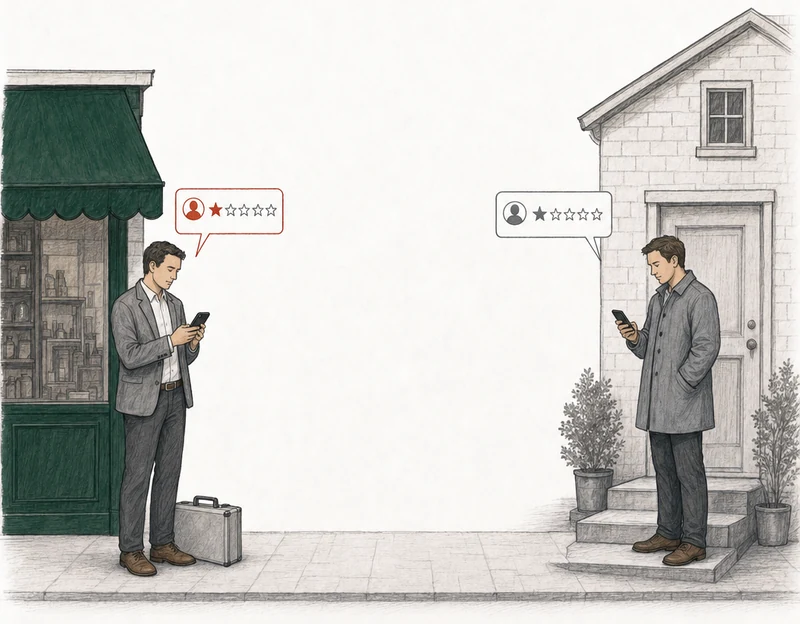
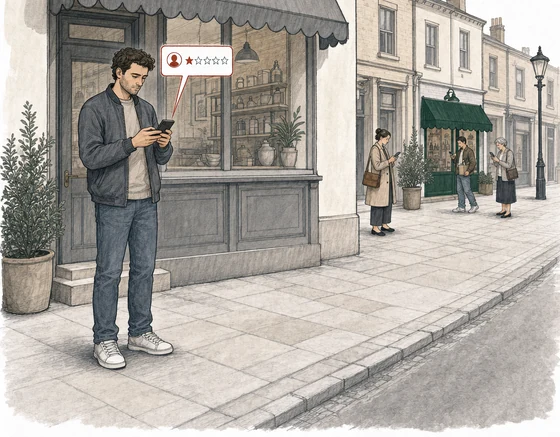
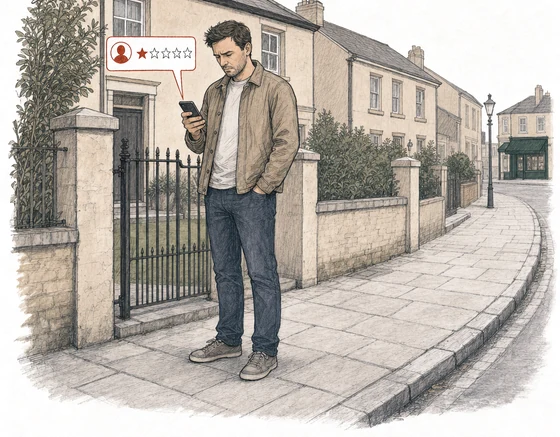
Google says so in one line: you can report any review, and only a review that breaks a policy can be removed. Evaluation typically takes several days, and the status of your report shows up in the Reviews Management Tool.
The reason menu is where this gets awkward. Google documents two reasons, and only as examples: Spam and Profanity. Google doesn't publish the rest of the menu. For all six clauses on this page, Spam is the closer of the two, even though no section of the policy is named Spam. The argument itself goes in the text you write. How the reason choice works for every other policy is in report a Google review.
And there's a catch. If the report fails, what opens is the one-time Google review appeal, and you get one appeal per review, ever. Pick the one clause the review breaks, and name the section that clause sits under. A pitch or a link is Advertising & solicitation. Meaningless or repeated text is Unclear and Repetitive Content. Several accounts run by one person, or a tampered device, is Fake Engagement. Name one that doesn't match your argument and that can waste the one appeal you have. So the filing is the whole job. You file it from your own profile, and we never submit anything to Google.
Yes. Google runs automated spam detection. Google's software scans for suspicious activity, and trained operators and analysts look at what gets flagged. That's from Google's own enforcement page.
Google also says what happens when the filter gets it wrong. It can take down a legitimate review, and Google tells owners to contact support when that happens. For you, that's the only path Google publishes. The person who wrote the review has one more. For most violations, Google lets them appeal the removal from their own Maps profile, and it restores the review if it finds the removal was a mistake.